
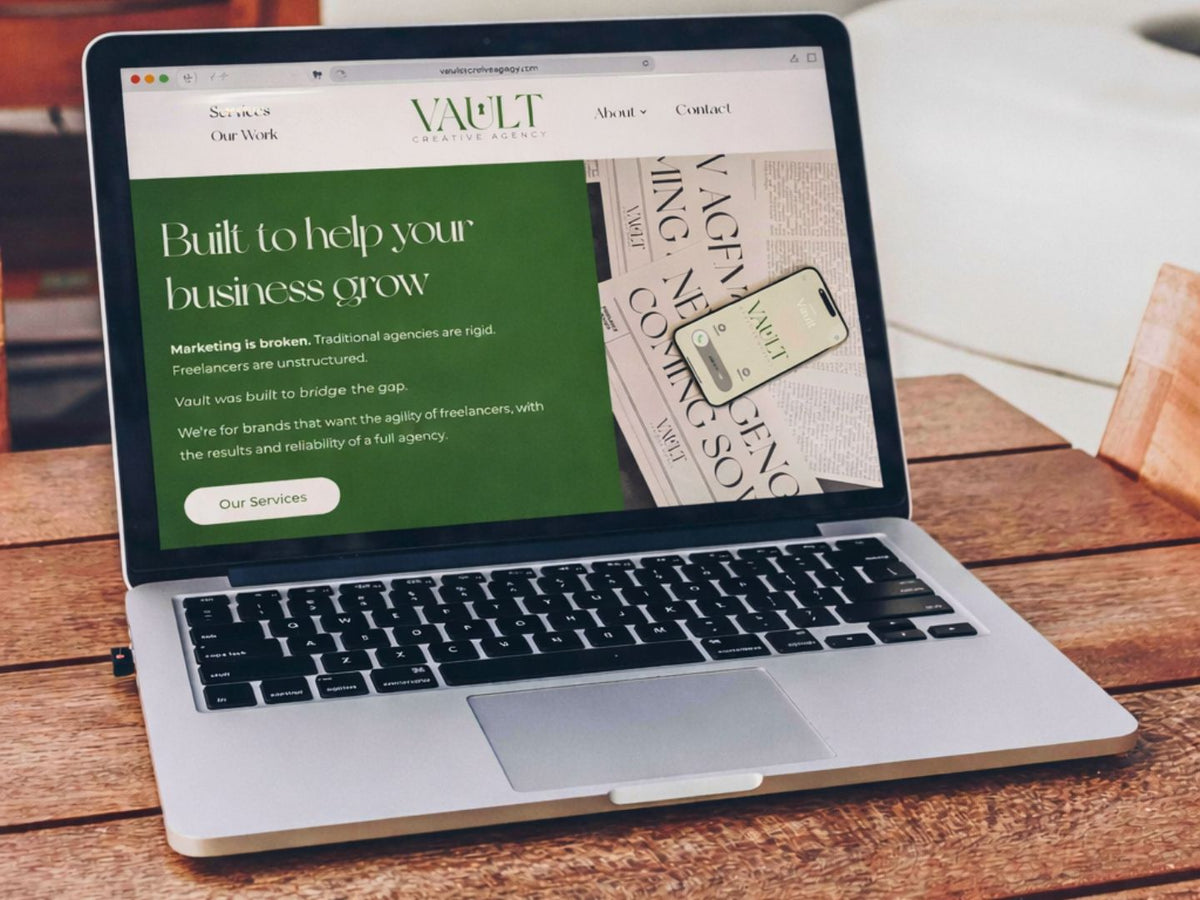

A beautiful website is great, but a high-converting website is better.
Design isn’t just about aesthetics; it shapes how visitors move through your site, how they process information and whether they feel confident enough to take action. When design and messaging work together, conversions happen naturally. When they don’t, visitors leave.
Here are website design trends that increase conversions and why they matter.

Modern websites are moving away from clutter toward clarity.
Clean layouts help users quickly understand what a business offers and what to do next. Strategic spacing, simple navigation and clear structure make decision-making easier, especially for first-time visitors.
When a page feels easy to scan, users are more likely to engage.

Typography does more than look good; it directs attention.
Large, confident headings paired with clear, concise copy help users understand key messages quickly. Strong typography creates hierarchy, making it obvious what's most important on the page.
If users can grasp your value within seconds, they’re far more likely to convert.
Most users now visit websites from their phones, and they expect pages to load instantly.
Mobile-first design ensures layouts adapt seamlessly across devices, while fast loading speeds reduce frustration and bounce rates. Even small delays can cost conversions.
A smooth, responsive experience keeps users engaged, wherever they’re browsing from.
Websites that invite interaction hold attention longer.
Subtle animations, hover effects, dynamic content and personalised product recommendations help users navigate a site more engagingly. These elements also provide feedback, making the experience feel more intuitive and human.
Engaged users are more likely to explore and convert.

Every page should clearly answer one question: What should the user do next?
Visual hierarchy uses contrast, spacing and colour to guide attention toward key actions. When calls to action stand out and feel natural within the layout, users don’t hesitate.
Clear direction removes friction, and friction kills conversion.

Before taking action, users want reassurance.
Reviews, testimonials, case studies and clear contact information help build credibility and reduce doubt. These trust signals work quietly in the background, making it easier for visitors to move forward with confidence.
Trust is one of the biggest drivers of conversion.
The most effective websites aren’t just visually appealing; they’re intentional.
By focusing on clarity, usability and user experience, modern website design turns casual visitors into engaged leads. Small design improvements can have a significant impact on conversion rates over time.
When design is done right, the next step feels obvious.