
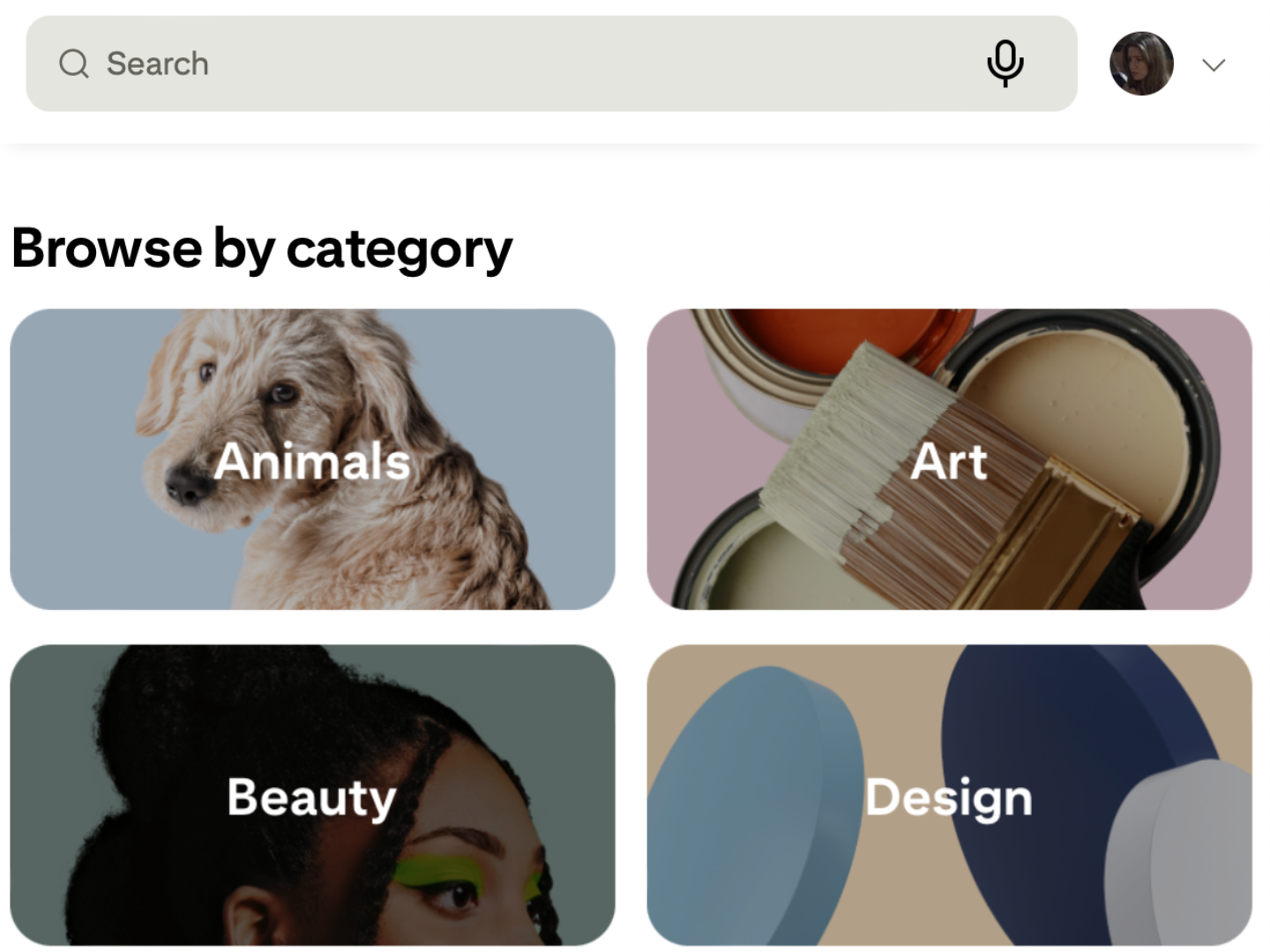

Pinterest occupies a space that few platforms really compete in.
It isn’t driven by rapid-fire trends like TikTok, and it doesn’t revolve around conversations in the way Reddit does. Instead, Pinterest is centred around planning, aspiration and decision-making.
People arrive with purpose:
That intent matters.
Unlike most social platforms, users aren’t only consuming content for entertainment. They’re collecting ideas for future action, which makes Pinterest one of the most commercially valuable discovery platforms online.
Pinterest is often mistaken for a traditional social network, but its behaviour is much closer to a visual search engine.
The platform blends three different experiences:
That combination changes how content performs.
A post on most social platforms disappears quickly. A Pin, however, can continue to resurface through searches, recommendations, and saves for months or even years after it’s published.
Each Pin becomes an ongoing discovery asset rather than a short-lived post.

With hundreds of millions of active users worldwide, Pinterest has quietly become one of the strongest visual discovery platforms online, particularly among younger audiences who increasingly favour image-led browsing over traditional search results.
What makes Pinterest different is the mindset behind the search.
Users aren’t always searching for a direct answer. Often, they’re exploring possibilities:
Instead of scanning links on a search engine, users interact visually:
The algorithm learns from behaviour and taste, not just keywords alone.
Pinterest sits in a unique position between search and social media.
Every Pin functions like searchable content:
That creates long-term visibility in a way most social content cannot.
Unlike fast-moving feeds where posts lose relevance quickly, Pinterest content compounds over time. A single well-optimised Pin can continue generating impressions, traffic and engagement long after publication.
For brands, this creates a sustained discovery cycle rather than a one-time spike in visibility.

Pinterest is also evolving beyond static inspiration boards.
Features like Shuffles introduce a more hands-on form of visual exploration, allowing users to create digital collages using cut-outs, textures, products, and imagery.
This changes user behaviour from simply collecting inspiration to actively shaping it.
Instead of passively browsing:
It reflects a wider shift happening across digital platforms: people no longer just want to search for ideas, they want to interact with them creatively.
As discovery habits continue changing, visibility is no longer owned by Google alone.
Brands now need to appear naturally across the platforms where audiences spend time exploring, researching and saving ideas.
That means understanding:
The opportunity lies in building content that works across both traditional SEO and social discovery environments.
Not every user is searching with clear intent anymore. Many are discovering brands through inspiration first and action second.
Search today looks very different from what it did a few years ago.
It’s now:
Discovery has become multi-platform, visual and behaviour-led.
Brands that adapt to this shift won’t just appear in search results — they’ll become part of the discovery journey itself.
Your audience isn’t only searching anymore.
They’re exploring, saving and scrolling.
The brands that succeed are the ones that know how to show up in all three.